The Teacher on the Hill: A Story of Broom, Relationship and Renewal
Copied
When people ask us, “How do you manage the broom at BROOMHILL?” we often pause, because the word manage carries a certain assumption.
It suggests that we stand outside of something and control it.
But our experience at BROOMHILL has taught us something different. We do not manage broom. We are in relationship with it.
This relationship began long before arriving here. At a previous property, we lived beside vast hills covered in broom and witnessed the annual spraying. We remember the heaviness of watching a landscape treated as if one species was the enemy and removal was the only answer.
Somewhere within us was a knowing that our relationship with broom would one day become a much deeper journey.
When we arrived at BROOMHILL, we were not placed here as people who would take over a landscape and correct what was wrong. We arrived as participants entering an already existing system.
The land had its own history. The hills had their own story.
The beings already living here were already responding to the conditions that had unfolded over time.
Over the last several centuries, Aotearoa’s original forest systems have been profoundly altered through human use of fire, clearance, logging, and the conversion of land for settlement, agriculture, and grazing.
With the removal of many ancient relationships between trees, plants, fungi, birds, insects, water, and soil, the living systems that once created, protected, and renewed fertile landscapes were deeply disrupted.
Many exposed hillsides became increasingly vulnerable to erosion, drying, nutrient loss, and the harsh influence of sun and weather. Into these changed conditions came beings capable of surviving where few others could.
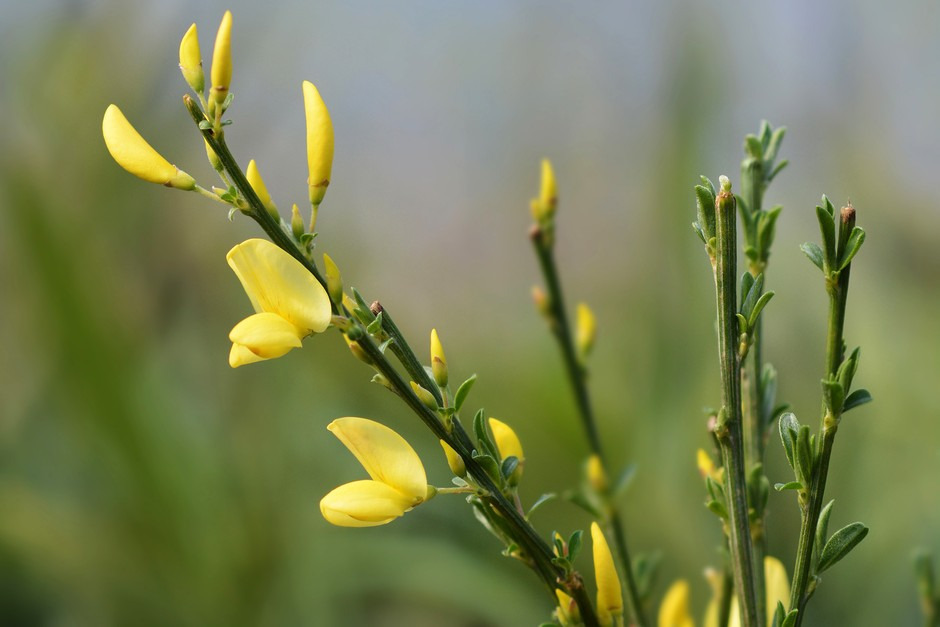
Broom is one of them.
Broom is resilient. It is vigorous, adaptive, and determined. Its seeds can remain dormant in the soil for many decades, waiting for the right conditions. Its roots allow it to establish in difficult ground. It can withstand exposure, frost, heat, and scarcity.
For a long time, we saw these qualities as something to overcome. Until we sat with broom differently.
We sat with broom with an open heart and acknowledged our fear of entering into another struggle. We shared our concern of becoming another human presence trying to dominate a landscape.
Instead, we offered ourselves as students.
We offered our service. We offered our willingness to listen.
We asked to be guided into a different way of relating — one based not on control, but on participation, reciprocity, and co-creation.
This was the beginning of BROOMHILL.
The greatest thing we had to surrender was the belief that we were the only responding members in this conversation.
We had to let go of the idea that humans are the only ones who act, while nature simply receives our actions.
What broom gave back was hope. Hope that there are tangible ways of relating between species.
Hope that humans and the more-than-human world can meet differently.
Hope that restoration is not only about repairing landscapes, but about restoring the relationship that allows healing to unfold.
The name BROOMHILL emerged from this relationship.It was not chosen because broom was something to defeat. It was chosen because broom became the teacher that changed the way we looked at the land.
A reminder that before we remove, we must first listen — because every being’s presence is part of a larger story of place.
This does not mean every plant stays everywhere forever.
A living ecosystem is always moving. It is a relationship of balance, succession, boundaries, and change.
With broom, we do not simply weed. We tend.
We harvest broom with care. We recognise the role it has played in holding disturbed ground. We appreciate its resilience and the conditions that allowed it to thrive. We create space where other relationships can emerge.
When volunteers work with broom at BROOMHILL, many people are surprised by what they experience. They often describe the work as calming, grounding, and renewing. They find stillness in the rhythm of their hands, creativity in the material, and connection through caring for a place.
From the outside, someone may see people removing plants. But from within the experience, something different is happening.
We are not fighting nature. We are participating in it.
Restoration is not always about returning to what was.
Sometimes restoration is about learning how to belong again.
BROOMHILL carries the name of a plant that challenged us to listen.
A plant that asked us to reconsider our place within the living world.
A plant that reminded us that healing begins not with control, but with relationship.
It suggests that we stand outside of something and control it.
But our experience at BROOMHILL has taught us something different. We do not manage broom. We are in relationship with it.
This relationship began long before arriving here. At a previous property, we lived beside vast hills covered in broom and witnessed the annual spraying. We remember the heaviness of watching a landscape treated as if one species was the enemy and removal was the only answer.
Somewhere within us was a knowing that our relationship with broom would one day become a much deeper journey.
When we arrived at BROOMHILL, we were not placed here as people who would take over a landscape and correct what was wrong. We arrived as participants entering an already existing system.
The land had its own history. The hills had their own story.
The beings already living here were already responding to the conditions that had unfolded over time.
Over the last several centuries, Aotearoa’s original forest systems have been profoundly altered through human use of fire, clearance, logging, and the conversion of land for settlement, agriculture, and grazing.
With the removal of many ancient relationships between trees, plants, fungi, birds, insects, water, and soil, the living systems that once created, protected, and renewed fertile landscapes were deeply disrupted.
Many exposed hillsides became increasingly vulnerable to erosion, drying, nutrient loss, and the harsh influence of sun and weather. Into these changed conditions came beings capable of surviving where few others could.
Broom is one of them.
Broom is resilient. It is vigorous, adaptive, and determined. Its seeds can remain dormant in the soil for many decades, waiting for the right conditions. Its roots allow it to establish in difficult ground. It can withstand exposure, frost, heat, and scarcity.
For a long time, we saw these qualities as something to overcome. Until we sat with broom differently.
We sat with broom with an open heart and acknowledged our fear of entering into another struggle. We shared our concern of becoming another human presence trying to dominate a landscape.
Instead, we offered ourselves as students.
We offered our service. We offered our willingness to listen.
We asked to be guided into a different way of relating — one based not on control, but on participation, reciprocity, and co-creation.
This was the beginning of BROOMHILL.
The greatest thing we had to surrender was the belief that we were the only responding members in this conversation.
We had to let go of the idea that humans are the only ones who act, while nature simply receives our actions.
What broom gave back was hope. Hope that there are tangible ways of relating between species.
Hope that humans and the more-than-human world can meet differently.
Hope that restoration is not only about repairing landscapes, but about restoring the relationship that allows healing to unfold.
The name BROOMHILL emerged from this relationship.It was not chosen because broom was something to defeat. It was chosen because broom became the teacher that changed the way we looked at the land.
A reminder that before we remove, we must first listen — because every being’s presence is part of a larger story of place.
This does not mean every plant stays everywhere forever.
A living ecosystem is always moving. It is a relationship of balance, succession, boundaries, and change.
With broom, we do not simply weed. We tend.
We harvest broom with care. We recognise the role it has played in holding disturbed ground. We appreciate its resilience and the conditions that allowed it to thrive. We create space where other relationships can emerge.
When volunteers work with broom at BROOMHILL, many people are surprised by what they experience. They often describe the work as calming, grounding, and renewing. They find stillness in the rhythm of their hands, creativity in the material, and connection through caring for a place.
From the outside, someone may see people removing plants. But from within the experience, something different is happening.
We are not fighting nature. We are participating in it.
Restoration is not always about returning to what was.
Sometimes restoration is about learning how to belong again.
BROOMHILL carries the name of a plant that challenged us to listen.
A plant that asked us to reconsider our place within the living world.
A plant that reminded us that healing begins not with control, but with relationship.