Food as Relationship: Participation in a Living System
Copied
Food is not separate from us. It is the land, made visible through care, timing, and participation.
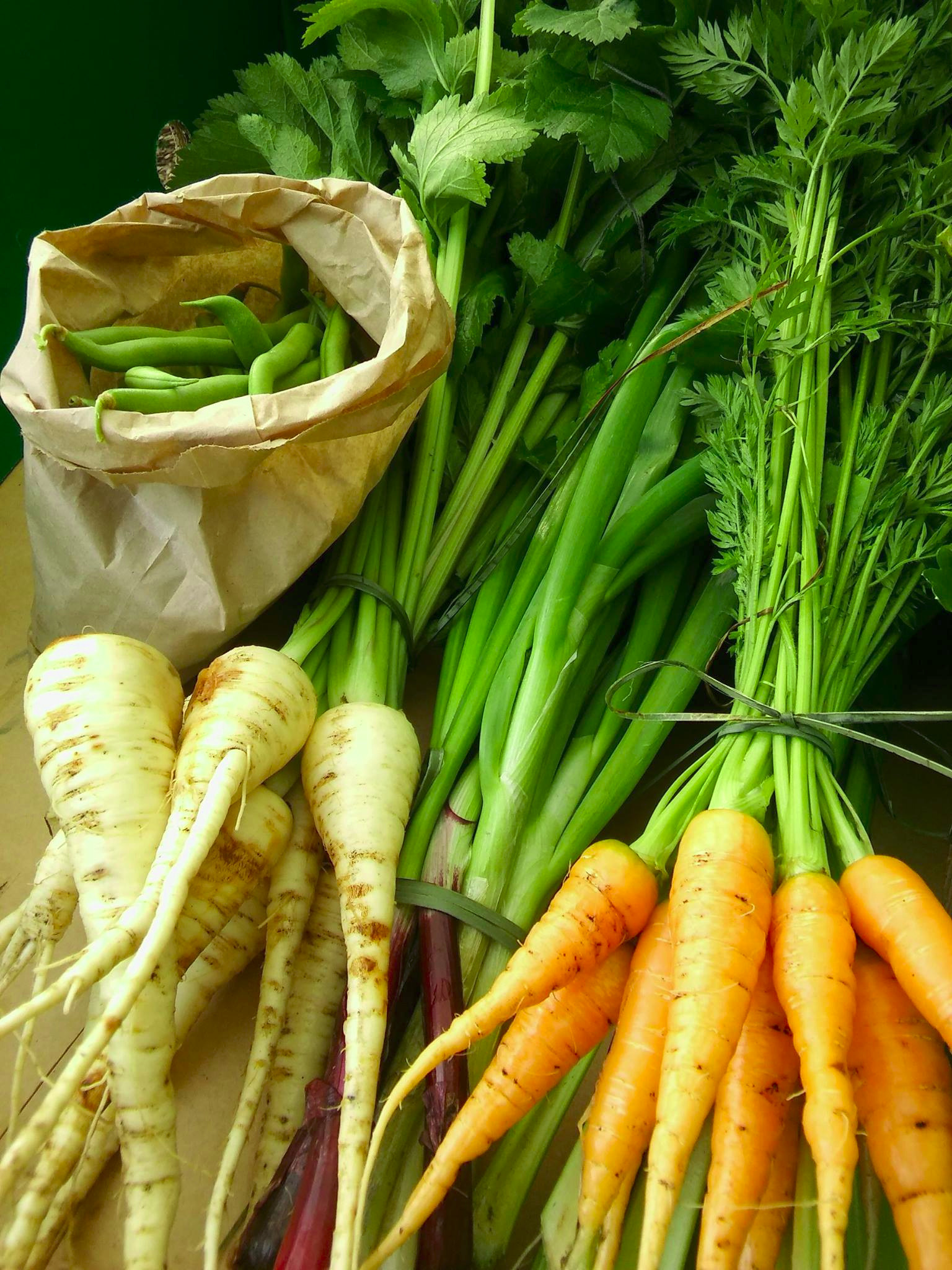
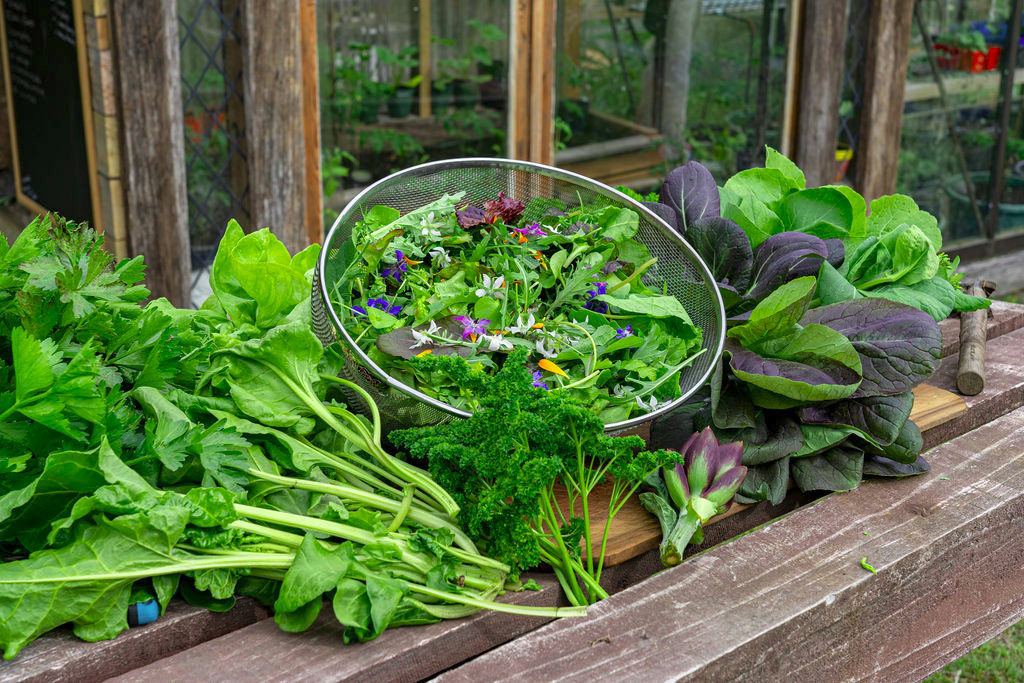
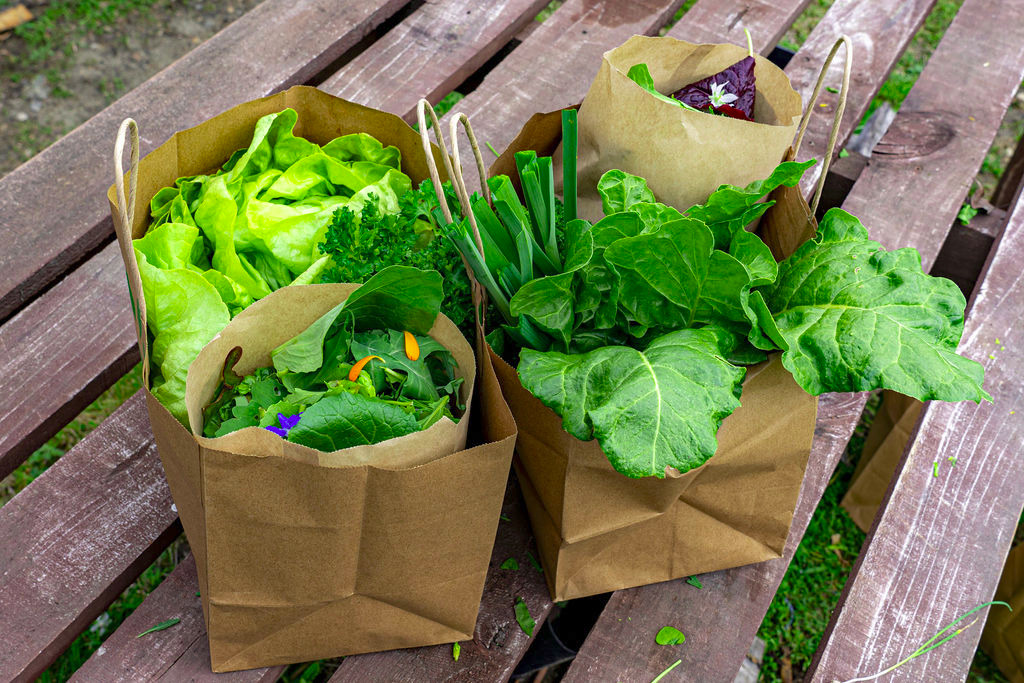
When we grow food locally, something simple but essential happens — we come back into relationship with what sustains us.
Less distance between soil and plate means less loss of energy, less waste, and less dependence on fragile systems far away. But more than that, it means food is alive in its arrival — shaped by the season, the weather, and the place itself.
When food is grown here, it nourishes here. The soil is cared for, the people are fed, and the cycle stays whole. Nothing is extracted without return.
This is what resilience actually feels like: food moving through a living loop of care, where land and community are not separate systems but one shared organism.
And this only works through participation.
Through showing up in different ways — with time, with resources, or with the simple choice to support the hands that grow what we all depend on.
When you participate, you are not “funding a project.” You are feeding a system that feeds you back. You are strengthening the soil that grows your food. You are stabilising the rhythms that hold community life.
This is not abstract. It is direct.
What we build together in soil becomes what we receive on our plates.
So supporting local food is not an extra act — it is participation in continuity. It is how we keep the loop alive, so that nourishment does not break at the edges, but keeps circulating through land, people, and place.
We don’t do this alone.
We do this together.
When we grow food locally, something simple but essential happens — we come back into relationship with what sustains us.
Less distance between soil and plate means less loss of energy, less waste, and less dependence on fragile systems far away. But more than that, it means food is alive in its arrival — shaped by the season, the weather, and the place itself.
When food is grown here, it nourishes here. The soil is cared for, the people are fed, and the cycle stays whole. Nothing is extracted without return.
This is what resilience actually feels like: food moving through a living loop of care, where land and community are not separate systems but one shared organism.
And this only works through participation.
Through showing up in different ways — with time, with resources, or with the simple choice to support the hands that grow what we all depend on.
When you participate, you are not “funding a project.” You are feeding a system that feeds you back. You are strengthening the soil that grows your food. You are stabilising the rhythms that hold community life.
This is not abstract. It is direct.
What we build together in soil becomes what we receive on our plates.
So supporting local food is not an extra act — it is participation in continuity. It is how we keep the loop alive, so that nourishment does not break at the edges, but keeps circulating through land, people, and place.
We don’t do this alone.
We do this together.